Published : 8/13/2025
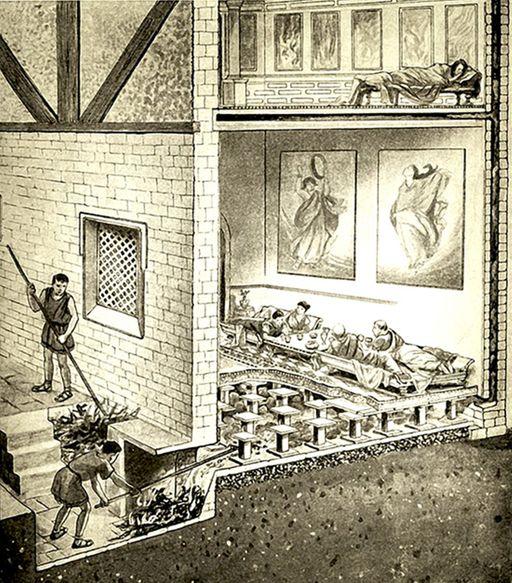
A warm, cozy home — something we take for granted today — wasn’t always so easy to come by. In fact, the ability to heat our homes at the touch of a button is a relatively recent luxury in the grand scheme of human history. The journey to modern heating has been long, creative, and occasionally a little smoky. Let’s take a look back at how people kept warm before the days of thermostats and central heating. It All Started with Fire (Literally) Technically, the first form of home heating began with the discovery of fire, roughly two million years ago. Of course, houses weren’t really a thing back then, but once humans started building shelters, fire naturally became the go-to source for warmth, cooking, and light. The Age of Hearths Enter the hearth — a dedicated space for fire, typically built out of stone or brick, designed to warm up a home while minimizing the risk of burning it down. Hearths date back as far as 44,000 BCE and remained a staple of home life all the way up to the 14th century. Not only did they heat homes, but they also served as stoves and makeshift lamps long before electricity was even a concept. Underfloor Heating? Yup — the Romans Did That One of the most fascinating heating methods came from ancient Rome: the hypocaust system. Homes were built on raised pillars with hollow spaces beneath the floors and inside the walls. Fires were lit beneath the floors, and the heat would travel through these gaps, warming the rooms above. The smoke was cleverly vented through flues in the roof. Efficient? Yes. Long-lasting? Sadly, no. After the fall of the Roman Empire, the hypocaust fell out of use, and people went back to good ol’ hearths. The Chimney Changes Everything The 12th century brought us a game-changing invention: the chimney. This marked the transition from smoky hearths to more refined fireplaces. With chimneys drawing the smoke out of homes more effectively, people could enjoy a warmer, cleaner environment. This method dominated until the arrival of a new player on the scene... Stoves: A Smarter, Safer Flame In time, stoves started to replace open fireplaces. They were more efficient, safer, and produced better heat without the risk of open flames flickering in the living room. From wood-burning to coal-powered, stoves became a must-have in households. Enter Radiators and Electric Heaters By the 19th century, things started to look a lot more familiar. Radiators and electric heaters made it possible to distribute heat throughout a home without needing a fire in every room. Important buildings — like the White House — adopted steam heating systems, leading the way toward modern central heating. Suddenly, people didn’t have to huddle around the hearth or stove at night. They could enjoy warmth throughout the house. Revolutionary! Modern Comfort at the Push of a Button And here we are today. Thanks to centuries of innovation — and a whole lot of trial and error — we now live in a world where you can walk over to a little panel on the wall, press a few buttons, and boom — warm, comfortable air fills your home. So next time you're adjusting the thermostat, maybe take a second to thank the folks who braved the cold and came up with creative ways to stay warm. Because of them, we’ve got it easy.